Banner
Stress

April is Stress Awareness Month


Stress relievers: Tips to tame stress                     

Stress getting to you? Try some of these tips for stress relief.

Is stress making you angry and grouchy? Stress relievers can help bring back calm and peace to your busy life. You don't have to put a lot of time or thought into stress relievers. If your stress is getting out of control and you need quick relief, try one of these tips.

Get active

Almost any form of physical activity can act as a stress reliever. Even if you're not an athlete or you're out of shape, exercise can still be a good stress reliever.

Physical activity can pump up your feel-good endorphins and other natural neural chemicals that boost your sense of well-being. Exercise also can refocus your mind on your body's movements. This refocus can improve your mood and help the day's irritations fade away. So go on a walk, take a jog, work in your garden, clean your house, bike, swim, weight train, vacuum or do anything else that gets you active.

Eat a healthy diet

Eating a healthy diet is an important part of taking care of yourself. Aim to eat many fruits, vegetables and whole grains.

Avoid unhealthy habits

Some people may deal with stress with unhealthy habits. These may include drinking too much caffeine or alcohol, smoking, eating too much, or using illegal substances. These habits can harm your health and increase your stress levels.

Meditate

During meditation, you focus your attention and quiet the stream of jumbled thoughts that may be crowding your mind and causing stress. Meditation can give you a sense of calm, peace and balance that can help both your emotional well-being and your overall health. Meditation can empower us to enhance our well-being.

You can practice guided meditation, guided imagery, mindfulness, visualization and other forms of meditation anywhere at any time. For example, you could meditate when you're out for a walk, riding the bus to work or waiting at your health care provider's office. Try an app to show you how to do these exercises. And you can try deep breathing anywhere.

Laugh more

A good sense of humor can't cure all ailments. But it can help you feel better, even if you have to force a fake laugh through your grumpiness. When you laugh, it lightens your mental load. It also causes positive physical changes in the body. Laughter fires up and then cools down your stress response.

So read some jokes, tell some jokes, watch a comedy or hang out with your funny friends. Or give laughter yoga a try.

Connect with others

When you're stressed and irritable, you may want to isolate yourself. Instead, reach out to family and friends and make social connections. Even one good friend who listens can make a difference.

Social contact is a good stress reliever because it can offer distraction, give support, and help you put up with life's up and downs. So take a coffee break with a friend, email a relative or visit your place of worship.

Got more time? Try volunteering for a charity and help yourself while helping others.

Assert yourself

You might want to do it all, but you can't, at least not without paying a price. Learning to say no or being willing to delegate can help you manage your to-do list and your stress. Healthy boundaries are important in a wellness journey. Everyone has physical and emotional limits.

Saying yes may seem like an easy way to keep the peace, prevent conflicts and get the job done right. But instead, it may cause you inner conflict because your needs and those of your family come second. Putting yourself second can lead to stress, anger, resentment and even the wish to take revenge. And that's not a very calm and peaceful reaction. Remember, you're a priority.

Try yoga

With its series of postures and breathing exercises, yoga is a popular stress reliever. Yoga brings together physical and mental disciplines that may help you reach peace of body and mind. Yoga can help you relax and ease stress and anxiety.

Try yoga on your own or find a class — you can find classes in many areas. Hatha yoga, especially, is a good stress reliever because of its slower pace and easier movements.

Get enough sleep

Stress can cause you to have trouble falling asleep. When you have too much to do — and too much to think about — your sleep can suffer. But sleep is the time when your brain and body recharge. Most adults need about 7 to 9 hours of sleep each night.

And how well and how long you sleep can affect your mood, energy level, focus and overall functioning. If you have sleep troubles, make sure that you have a quiet, relaxing bedtime routine. For example, listen to soothing music, make sure the area you sleep in is cool, dark and quiet, put phones and tablets away, and stick to a regular schedule.

Keep a journal

Writing down your thoughts and feelings can be a good release for otherwise pent-up feelings. Don't think about what to write — let it happen. Write anything that comes to mind. No one else needs to read it. So don't aim for perfect grammar or spelling.

Let your thoughts flow on paper, or on the computer screen. Once you're done, you can toss out what you wrote or save it to think about later.

Get musical and be creative

Listening to or playing music is a good stress reliever. It can provide a mental distraction, lessen muscle tension and lower stress hormones. Turn up the volume and let your mind be absorbed by the music.

If music isn't one of your interests, turn your attention to another hobby you enjoy. For example, try gardening, sewing, reading or sketching. Or try anything that makes you focus on what you're doing rather than what you think you should be doing.

Seek counseling

If new stressors are making it hard for you to cope or if self-care measures aren't relieving your stress, you may want to think about therapy or counseling. Therapy also may be a good idea if you feel overwhelmed or trapped. You also may think about therapy if you worry a great deal, or if you have trouble carrying out daily routines or meeting duties at work, home or school.

Professional counselors or therapists can help you find the sources of your stress and learn new coping tools.

https://www.mayoclinic.org/healthy-lifestyle/stress-management/in-depth/stress-relievers/art-20047257; By Mayo Clinic Staff, Aug. 03, 2023; Accessed 3/30/2026

Green Eggs and Slam
Spring Flowers


What Are the Emotional Effects of Spring?


As winter fades and the first signs of spring emerge—warmer temperatures, longer daylight, blooming flowers, and the return of birdsong—many people report feeling an emotional shift. The arrival of spring is often associated with renewal, hope, and increased energy, but not everyone experiences it in the same way. While the season tends to bring positive emotions for many, it can also provoke anxiety, mood swings, or even depression in others. These changes are not merely anecdotal—they’re backed by psychology, neuroscience, and environmental science.


Spring’s impact on our emotions is complex. It’s influenced by a variety of factors, including sunlight exposure, circadian rhythms, hormonal changes, and social and cultural expectations. This article explores the emotional effects of spring from a psychological perspective and explains why this season may lift some people up while overwhelming others.


Increased Exposure to Sunlight and Mood Elevation


One of the most powerful emotional effects of spring is linked to increased sunlight. During winter, reduced daylight disrupts our circadian rhythm, the internal biological clock that regulates sleep, hormones, and mood. The return of longer days in spring resets this rhythm, which often leads to better sleep patterns, improved alertness, and a more stable emotional state.


Exposure to sunlight also boosts serotonin levels, a key neurotransmitter involved in mood regulation. Higher serotonin levels are associated with greater emotional well-being, reduced anxiety, and lower levels of depression. This helps explain why many individuals experience a natural “lift” in mood as the days grow longer.


Moreover, sunlight triggers the production of vitamin D in the skin, which has been shown to have a significant impact on mental health. People with adequate vitamin D levels tend to report fewer symptoms of depression, irritability, and fatigue. For individuals who have spent months under cloudy skies or indoors, spring brings a biochemical reset that enhances emotional resilience.


A Sense of Renewal and Optimism


Spring is often symbolically linked with rebirth and new beginnings. Culturally, it marks the end of dormancy and the start of growth. Trees blossom, animals emerge from hibernation, and landscapes regain their color and vitality. Humans are deeply influenced by seasonal symbolism—our brains are wired to respond emotionally to environmental changes, especially those tied to survival and renewal.


This seasonal transition can prompt a psychological sense of optimism, motivating people to start new projects, set goals, or reconnect with others. The psychological concept of temporal landmarks explains this shift: moments that signify a change in time (like the first day of spring) can act as emotional resets, encouraging people to reframe their lives and adopt healthier habits.


As a result, many individuals report feeling more hopeful, productive, and energetic during springtime. They may also experience increased motivation to exercise, socialize, or spend time in nature, which in turn reinforces positive emotional states.


Seasonal Affective Disorder (SAD) and Its Reversal


While Seasonal Affective Disorder (SAD) is commonly associated with winter depression, a lesser-known variant is spring-onset SAD, in which symptoms begin or worsen in spring. Though rare, this type of SAD is marked by insomnia, agitation, increased anxiety, and mood instability during spring or summer months.


The causes of spring-onset SAD are not fully understood, but several theories exist. One possibility is that increased light exposure can disrupt melatonin production in susceptible individuals, leading to sleep difficulties that affect emotional regulation. Another theory points to shifting hormone levels—such as changes in cortisol or serotonin—that may cause mood disturbances in some people.


For most individuals, however, spring leads to a reduction in depressive symptoms associated with winter-onset SAD. This positive emotional shift can feel dramatic—almost euphoric—especially for those who have struggled with low energy and social withdrawal during the colder months.


Emotional Intensity and Anxiety Spikes


Not all emotional changes brought on by spring are positive. For some individuals, the emotional intensity of the season can feel overwhelming. The pressure to feel happier, more productive, or socially active can trigger performance anxiety or feelings of inadequacy. Those struggling with depression or anxiety may feel out of sync with the seasonal mood and even more isolated as a result.


Increased energy levels—while beneficial in many ways—can also intensify pre-existing emotional conditions. People with bipolar disorder, for instance, are more likely to experience manic or hypomanic episodes during spring and summer due to sunlight-triggered changes in brain chemistry. These episodes can include impulsivity, irritability, elevated mood, or racing thoughts, which may ultimately lead to emotional exhaustion or depression when the high subsides.


Additionally, spring can be a time of significant life events—graduations, weddings, academic exams, or career changes—which carry emotional weight. These transitional milestones, while exciting, can evoke stress or fear of the unknown. For some individuals, spring symbolizes pressure to move forward, especially if they feel stuck or left behind.


Allergies and Their Emotional Impact


The physical effects of seasonal allergies—such as sneezing, congestion, and fatigue—are well known. What’s less commonly discussed is how these symptoms can affect emotional well-being. Allergic reactions often lead to inflammation in the body, which can influence the brain’s chemistry and increase the risk of depression or irritability.


Sleep disruptions caused by congestion or sinus issues can also impair emotional stability. Poor sleep increases emotional reactivity and reduces a person’s ability to cope with stress. In this sense, allergies aren’t just a physical nuisance—they can indirectly contribute to mood swings, anxiety, and a sense of emotional disconnection during spring.

Moreover, individuals who are sensitive to environmental changes may feel a general sense of malaise or discomfort that they can’t quite identify. This low-level unease can manifest emotionally, particularly if it disrupts daily routines or limits time spent outdoors.


Social Energy and Emotional Reconnection


One of the most distinct emotional effects of spring is the return of social energy. Longer days and pleasant weather create opportunities for outdoor gatherings, travel, and increased social interaction. For many, this leads to a surge in feelings of connection, joy, and belonging. Reconnecting with friends or engaging in community activities can enhance emotional well-being and reduce feelings of loneliness or isolation.


The act of spending time outdoors, especially in green spaces, is linked to improved mood and reduced stress. Nature exposure has been shown to lower cortisol levels and promote a state of relaxed alertness, making people feel both calm and energized. This emotional balance helps support meaningful relationships and fosters empathy and resilience.


However, not everyone welcomes this surge in social demands. For individuals with social anxiety, the seasonal push toward togetherness may feel intimidating. Events like barbecues, festivals, or picnics may become sources of dread rather than joy. It’s important to recognize that emotional responses to spring are not universal, and each person navigates the season differently based on their psychological makeup and life circumstances.


FAQs about the Emotional Effects of Spring


Why do people feel happier in the spring?

People often feel happier in spring due to increased sunlight, which boosts serotonin and vitamin D levels. These chemical changes enhance mood, improve sleep, and reduce symptoms of depression and fatigue.

Can spring make anxiety worse?

Yes, for some individuals, spring can increase anxiety due to social pressure, life transitions, or hormonal changes. In some cases, disorders like bipolar disorder or spring-onset SAD can be triggered during this season.

How does spring affect people with depression?

Spring can relieve symptoms of depression for many, especially those with winter-onset SAD. However, some individuals may experience heightened depression or emotional dissonance if they don’t feel aligned with the season’s energy and optimism.

Are emotional changes in spring normal?

Yes, emotional shifts during spring are completely normal. They result from changes in sunlight exposure, environmental cues, and social rhythms. Most people experience at least a subtle emotional response to seasonal transitions.

What can I do if I feel emotionally overwhelmed during spring?

If you feel overwhelmed, consider practicing mindfulness, maintaining a consistent sleep schedule, and seeking support from friends or a mental health professional. Spending time in nature and limiting exposure to stressors can also help restore emotional balance.


 PsychologyFor. (2025). What Are the Emotional Effects of Spring?. . https://psychologyfor.com/what-are-the-emotional-effects-of-spring/

Published: 2025      Accessed: 3/17/2026

SLAM upcoming events
April events 2026

April 1, 2026

Elementary school tutoring 5:30 – 6:30 pm. Trumbull Public Library 33 Quality Street (registration required) 

Middle school tutoring 6:30 – 7:30 pm. Trumbull Public Library 33 Quality Street (registration required)


April 2, 2026

Middle school tutoring 5:30 – 6:30 pm. Trumbull Public Library 33 Quality Street (registration required)

High school tutoring 5:30 – 6:30 pm. Trumbull Public Library 33 Quality Street (registration required) 

Middle school tutoring 6:30 – 7:30 pm. Trumbull Public Library 33 Quality Street (registration required)

Coping Strategies for Youth 7:00 – 8:15 pm. Mary J. Sherlach Counseling Center 121 Old Mine Road. (registration required)


April 3, 2026

Mary J. Sherlach Center Closed – Good Friday


April 7, 2026

Inside Out Explorers Group 4:00 – 5:00 pm. Mary J. Sherlach Counseling Center 121 Old Mine Road. (registration required) 


April 8, 2026

Suicide Loss Support Group 7:00 pm.  Virtual

Elementary school tutoring 5:30 – 6:30pm. 121 Trumbull Public Library 33 Quality Street (registration required) 

Middle school tutoring 6:30 – 7:30pm Trumbull Public Library 33 Quality Street (registration required)


April 9, 2026

Middle school tutoring 5:30 – 6:30 pm. Trumbull Public Library 33 Quality Street (registration required)

High school tutoring 5:30 – 6:30pm Trumbull Public Library 33 Quality Street (registration required) 

Middle school tutoring 6:30 – 7:30 pm. Trumbull Public Library 33 Quality Street (registration required)

Coping Strategies for Youth 7:00 – 8:15 pm. Mary J. Sherlach Counseling Center 121 Old Mine Road. (registration required)


April 14, 2026

Grief and Loss Support Group, 9:00 AM. 23 Priscilla Place. 

Inside Out Explorers Group 4:00 – 5:00 pm. Mary J. Sherlach Counseling Center 121 Old Mine Road. (registration required) 


April 21, 2026

Inside Out Explorers Group 4:00 – 5:00 pm. Mary J. Sherlach Counseling Center 121 Old Mine Road. (registration required) 

GREEN EGGS & SLAM Egg Hunt event. 5:00 pm.  Mary J. Sherlach Center 121 Old Mine Park. (registration required)


April 22, 2026

Elementary school tutoring 5:30 – 6:30pm Trumbull Public Library 33 Quality Street (registration required) 

Middle school tutoring 6:30 – 7:30pm Trumbull Public Library 33 Quality Street (registration required)


April 23, 2026

Middle school tutoring 5:30 – 6:30 pm. Trumbull Public Library 33 Quality Street (registration required)

High school tutoring 5:30 – 6:30pm Trumbull Public Library 33 Quality Street (registration required) 

Middle school tutoring 6:30 – 7:30 pm. Trumbull Public Library 33 Quality Street (registration required)


April 28, 2026

Grief and Loss Support Group, 9:00 AM. 23 Priscilla Place. 

Inside Out Explorers Group 4:00 – 5:00 pm. Mary J. Sherlach Counseling Center 121 Old Mine Road. (registration required) 


April 29, 2026

Elementary school tutoring 5:30 – 6:30pm Trumbull Public Library 33 Quality Street (registration required) 

Middle school tutoring 6:30 – 7:30pm Trumbull Public Library 33 Quality Street (registration required)


April 30, 2026

Middle school tutoring 5:30 – 6:30 pm. Trumbull Public Library 33 Quality Street (registration required)

High school tutoring 5:30 – 6:30pm Trumbull Public Library 33 Quality Street (registration required) 

Middle school tutoring 6:30 – 7:30 pm. Trumbull Public Library 33 Quality Street (registration required)

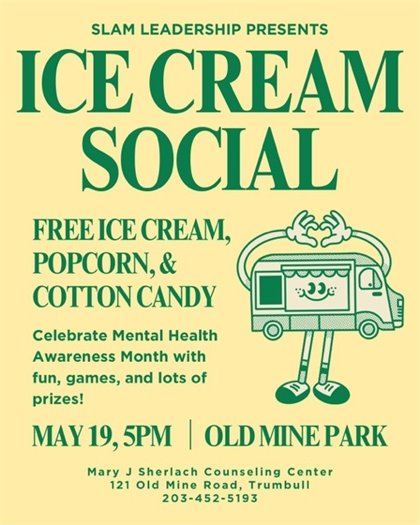
Ice Cream Social
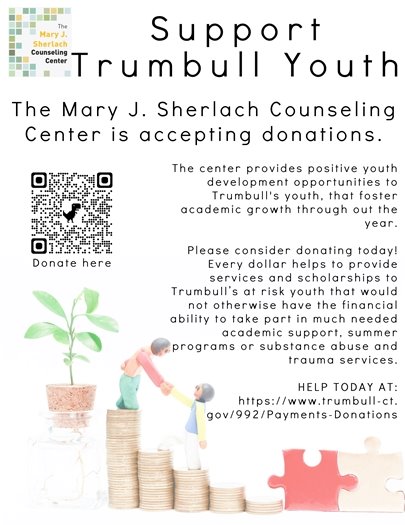
MJSCC donation
connect with us
Share on Facebook
Share on Twitter
Share via Email

Copyright 2024 Town of Trumbull. All Rights Reserved.
5866 Main Street, Trumbull, CT 06611

Powered by
CivicSend - A product of CivicPlus